Bowling Alleys, Karaoke and Cocktail Lounges Will Define Amenity Trends as Developers Look to Sell Community
Luxury developers are rethinking amenity strategies for 2026 as buyer priorities evolve from the solitary wellness floors and quiet lounges that defined recent years.
In addition to spaces designed for retreat, the latest high-end residential buildings are investing in amenities that encourage interaction, signaling a growing belief that social engagement has become a key component of luxury living.
From bowling alleys that recall a night out to padel courts riding the sport’s rapid ascent and exclusive access to marquee chefs, these features are framed as defining elements of a building’s lifestyle rather than passive perks. Music and entertainment spaces, including karaoke rooms, vinyl listening lounges and performance venues, are also gaining traction.
For today’s affluent buyers, the appeal lies not only in comfort and convenience, but in the social capital that comes with living in a building designed to connect people.
Here’s a look at the amenity trends shaping luxury residential developments in the year ahead.
The Padel Boom Comes Home
Padel, the racket sport that blends tennis and squash, has surged in popularity across the U.S. and is now making its way into residential developments.
Midtown Park Residences by Proper (with pricing up to $5.5 million) is slated to open in Midtown Miami in 2028, and developers will partner with ULTRA Padel to bring residents and the public the largest padel club in the country. The courts anchor a broader vision for the neighborhood.
“We’re witnessing a shift where sports-driven spaces become the heartbeat of a community,” said Carlos Rosso, founder and CEO of Rosso Development, one of the project’s developers. “They create natural opportunities for neighbors to meet and connect before ever stepping into an elevator.”
Further north in Miami Beach, 72 Carlyle ($1.8 million to $10 million), expected in 2027 from New York-based developer Lefferts, will offer an outdoor padel court as part of an Italian Riviera-inspired amenity deck combining an aperitivo lounge, a fitness center, spa and private beach access.
In Manhattan, 111 West 57th Street ($18.25 million to $110 million), also known as the Steinway Tower, on Billionaires’ Row claims the only padel court in a New York City residential building. The taller of the two towers, rising 1,428 feet and ranking as the second-tallest residential building in the Western Hemisphere, pairs the court with an 82-foot swimming pool, golf simulator, spa suites and fine French dining available in residences from Le Bilboquet.
A Space to Make Some Noise
Developers are carving out room for residents to indulge their musical sides, whether that means belting out karaoke favorites, playing vinyl records or taking the stage for a live performance.
At Viceroy Residences Fort Lauderdale (starting at $700,000), expected to open in 2029, a karaoke lounge and a wine and sound bar will offer residents a place to unwind or host friends.
“Our karaoke room is crafted as a warm, spirited space to enjoy with friends and family, and is designed by Rockwell Group, the visionary team behind some of the most iconic Broadway sets,” said Danielle Naftali, executive vice president of marketing, sales and design at Naftali Group.
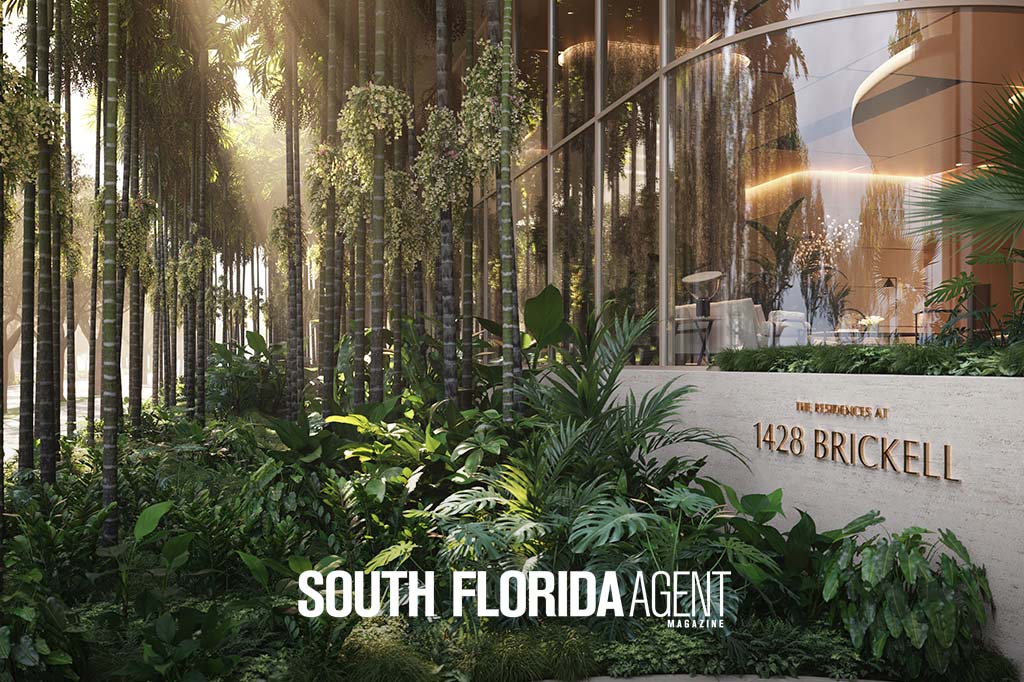
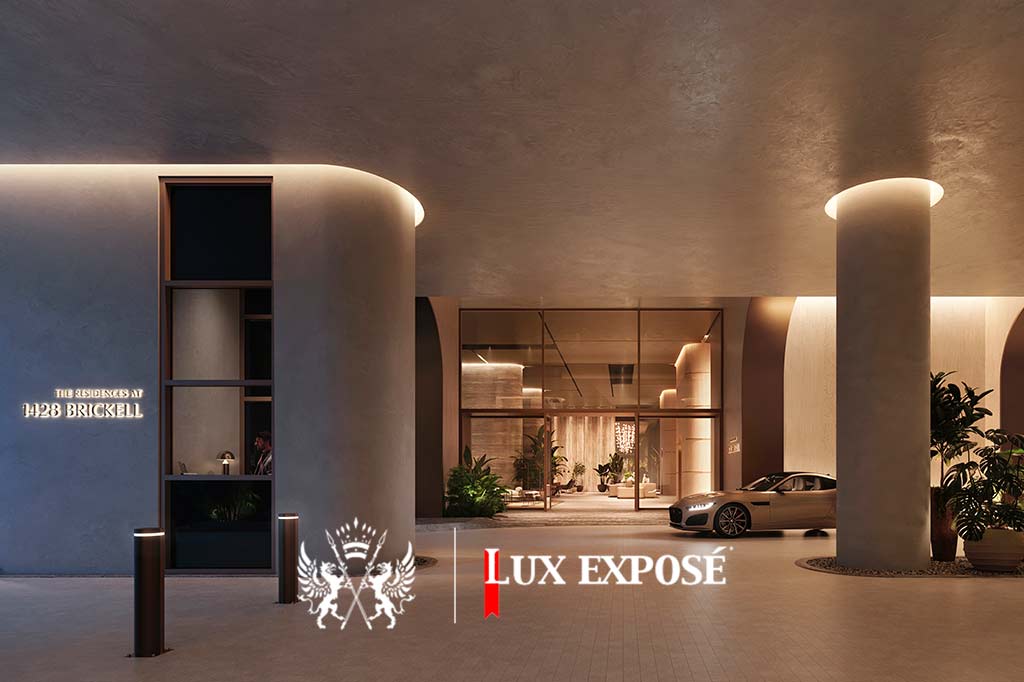
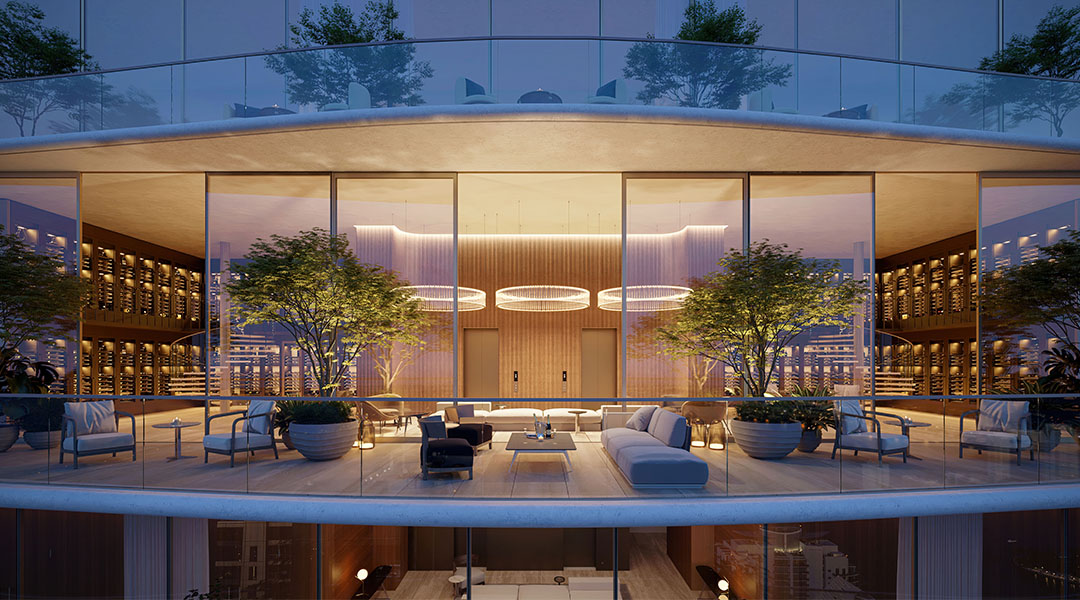
The Residences at 1428 Brickell ($4.4 million to $60 million), opening in 2028, combines karaoke with a theater room, where a theater-sized screen will display lyrics.
For more polished performances, the Waldorf Astoria Residences New York ($1.87 million to $16.87 million), which welcomed new residents over the summer, takes the concept further with its stage screen and theater for residents who wish to play their own music. The elegant venue, part of over 50,000 square feet of amenities, features plush seating, a piano, a movie screen, a stage and a green room.
Rolling With It
Two-lane bowling alleys are making an appearance in luxury developments, offering residents a social amenity that feels both nostalgic and novel.
At One Manhattan Square ($1.23 million to $6.95 million) on New York’s Lower East Side, a bowling alley anchors a sprawling amenity package totaling 100,000 square feet, easily double what most condo buildings offer. The space doubles as a lounge, with a curved navy velvet banquette, burgundy leather sectional, sculptural chandelier and abstract artwork flanking the lanes.
“Our goal is to activate amenity spaces to build community, and One Manhattan Square is a great example,” said Bryan Grandison, director of lifestyle services at Extell Development. “Our bowling alley has become a lively hub where residents host events, form leagues and enjoy friendly competition. It’s been so popular that we’ve introduced a bowling alley at our newest development, 50 West 66th Street on the Upper West Side, where we’re already seeing residents connect, celebrate and elevate their living experience.”
At 50 West 66th Street (starting at $5.995 million), which opened to residents this year, the bowling alley takes a more playful approach with colorful geometric wall panels in red, lime green and gray, neon signage and digital scoring screens.
The Henry ($2.475 million to $28.75 million), a boutique building on the Upper West Side designed by Robert A.M. Stern Architects, will offer a bowling alley with a refined aesthetic: cream toned paneling with curved detailing and built-in shoe storage. The building is expected to open early next year.
In Brooklyn, Olympia DUMBO ($1.65 million to $5.07 million) places its alley within the Club, a lower-level amenity floor that also includes a club lounge, fitness and boxing gym, and maritime-themed children’s room.
A Seat at the Table
Beyond private dining rooms and demonstration kitchens, a new crop of developments is offering residents something more rarefied: direct access to celebrated chefs and coveted restaurant reservations.
At 67 Irving Place, a boutique condominium launching sales in Gramercy Park next year, buyers of the 11 residences will enjoy exclusive access (and waived cork fees) and dining perks at Maialino, the Roman-style trattoria from Danny Meyer’s Union Square Hospitality Group.
Continuum Company is taking a different approach at its Miami developments: Continuum Club and Residences (starting in the low $900,000s to over $4 million), expected to open in 2028, and La Baia North ($1.4 million to $4 million), opening in 2027. Buyers at both properties receive complimentary membership to Dorsia, a members-only reservations platform (named after the fictional restaurant in the 2000 horror-comedy “American Psycho”), serving major cities from Los Angeles to Dubai.
“Through a partnership with Dorsia, they are now able to extend to these residents a perk like no other: the luxury of accessibility,” said Marc Lotenberg, the CEO and founder of Dorsia.
Some buildings are keeping the culinary experience in house. At Jean-Georges Miami Tropic Residences (starting at $1 million), the amenities center on food: a private restaurant and bar, a mini market curated by the chef and in-apartment refrigerator stocking.
“Miami Tropic Residences delivers the same caliber of hospitality, service and food quality you’d expect in one of [Jean-Georges’s] restaurants, and his involvement goes far beyond curating menus for the building’s amenity spaces,” said David Martin, CEO of Terra, the developer. “Jean-Georges even worked closely with our interior designer Yabu Pushelberg on the residential kitchen design to ensure the culinary experience extends seamlessly into the private homes.”
Other developments including private restaurants include St. Regis Residences, Miami ($6 million to $45 million), where Michelin-starred chef Fabio Trabocchi will take the helm, and One Wall Street ($1.2 million to $8.99 million) in Manhattan, where residents can enjoy a seasonal menu, espresso service and craft cocktails from a 4,500 square foot landscaped terrace overlooking the New York Harbor.
At 53 West 53 ($3.35 million to $64.7 million) in Midtown Manhattan, residents enjoy “hidden door” access to 53, an Asian concept from Altamarea Group located beneath the Museum of Modern Art’s new extended wing. The building also offers wine and sake tastings led by the restaurant’s wine director, Nikki Ledbetter, in a room designed by Thierry Despont with gold leaf ceiling accents. For those who are socially tapped out, meals can be transported to residences through the building’s central core.